

Drain Relining

Need Help? Give us a Call on 0800 023 5009
Drain Relining
If you have a cracked or broken drain, it is important to get the problem fixed as soon as possible as the problem will only get worse over time and result in a more costly repair. While there are many methods of drain repair available, drain lining or relining as it is sometimes called is often one of the most practical and cost-effective solutions to repair damaged drain pipes. Drain lining is offered in two sections.
Patch Lining Or Full liners
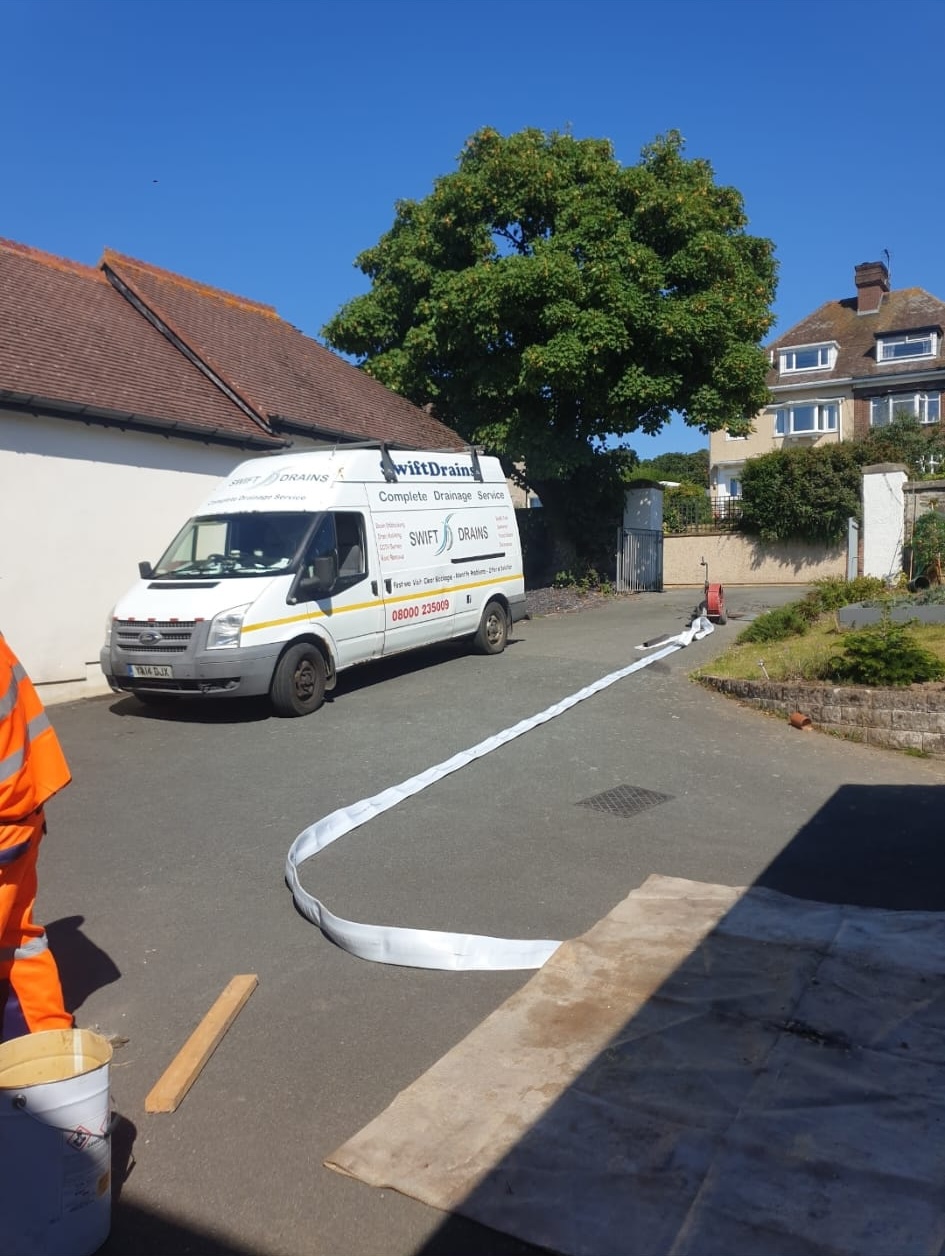
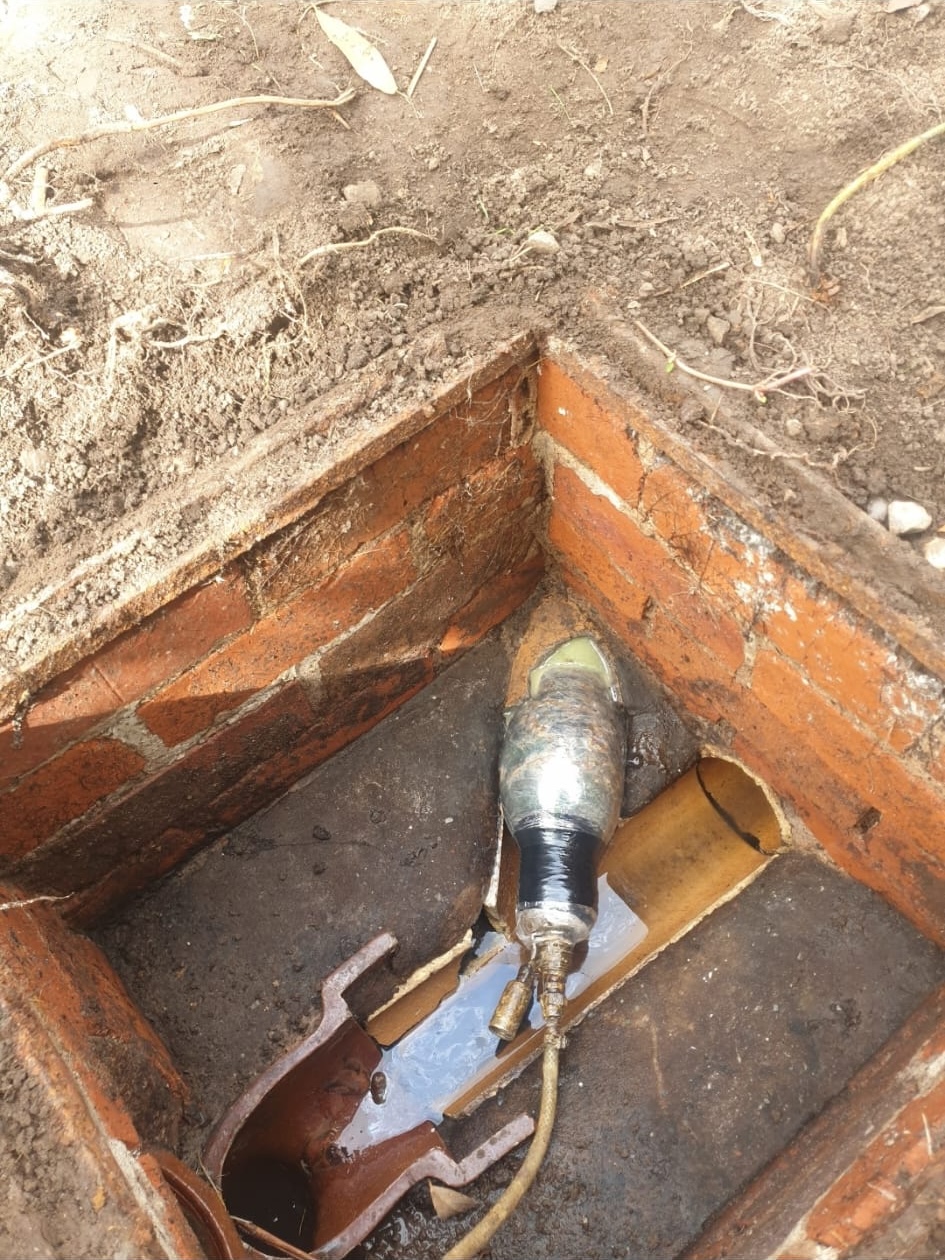
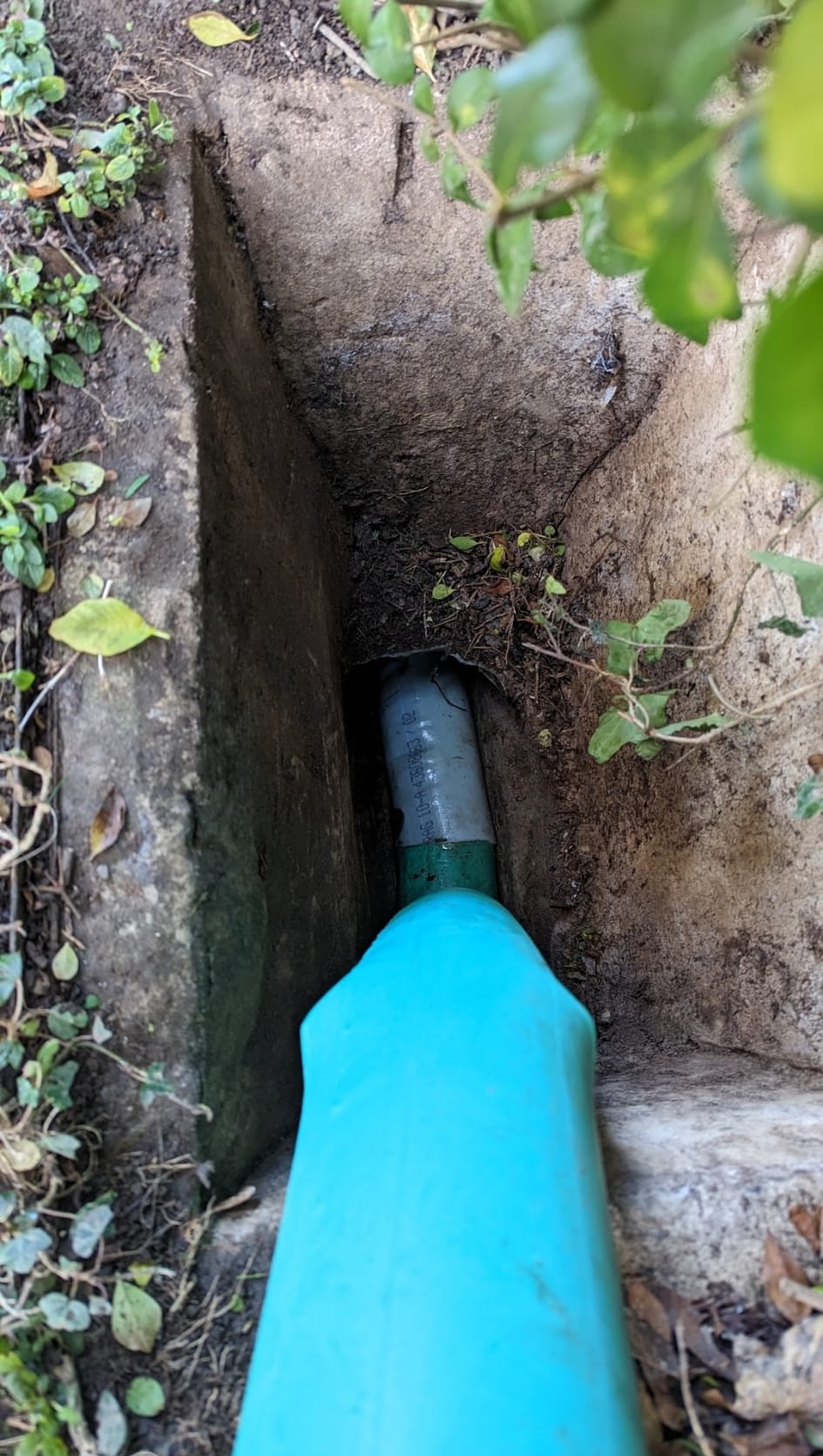
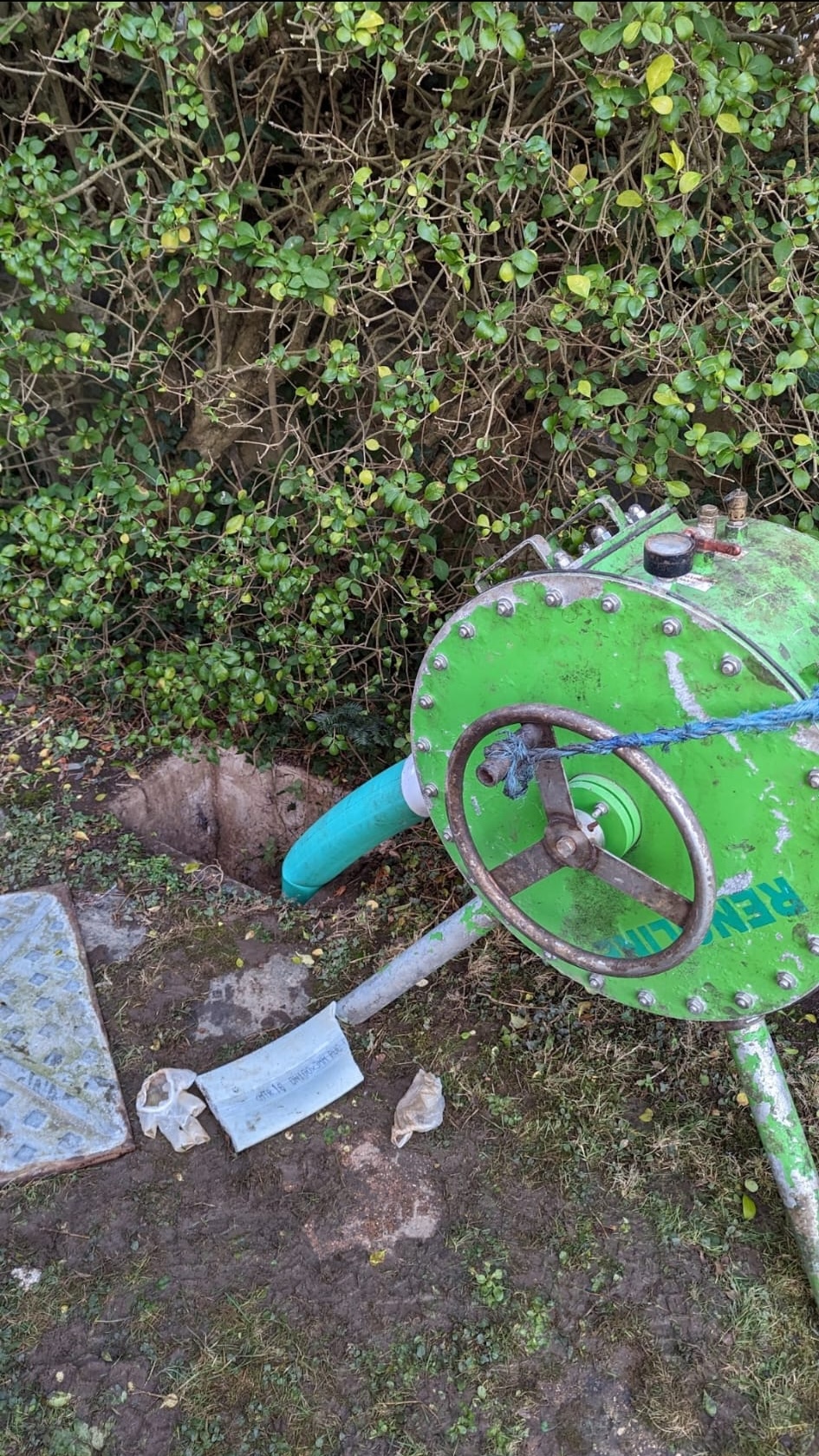
The most common repair we carried out is patch lining, this consists of a felt matting that is saturated with an epoxy resin and inserted into the drain where the break is located and inflated. This fills the break with resin and allows for a smooth passing. For example if you had a 10m drain run and the brake is located at 5m and is only 300mm long it would make sense to use a patch liner as the rest of the pipeline is in good condition.
Full Liners
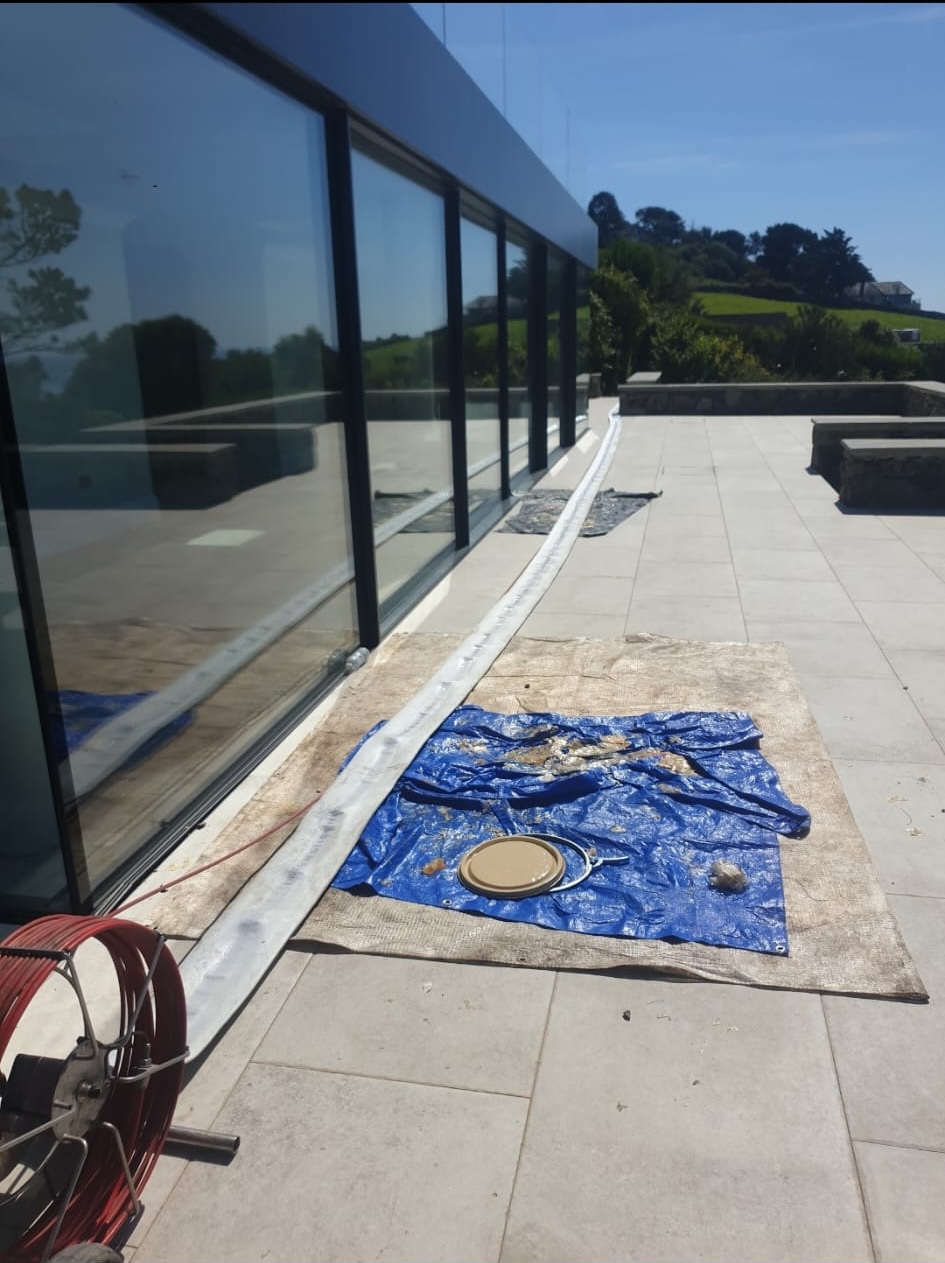
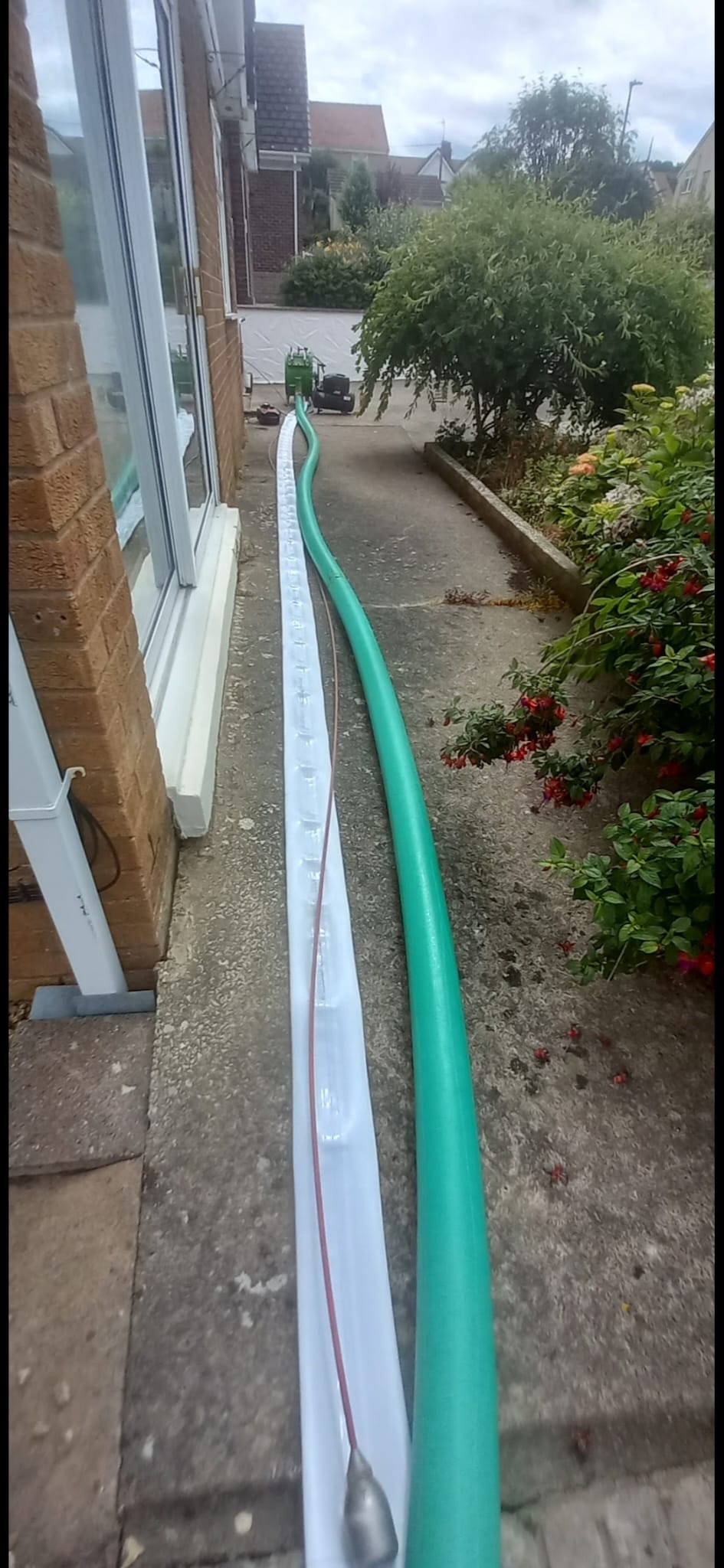
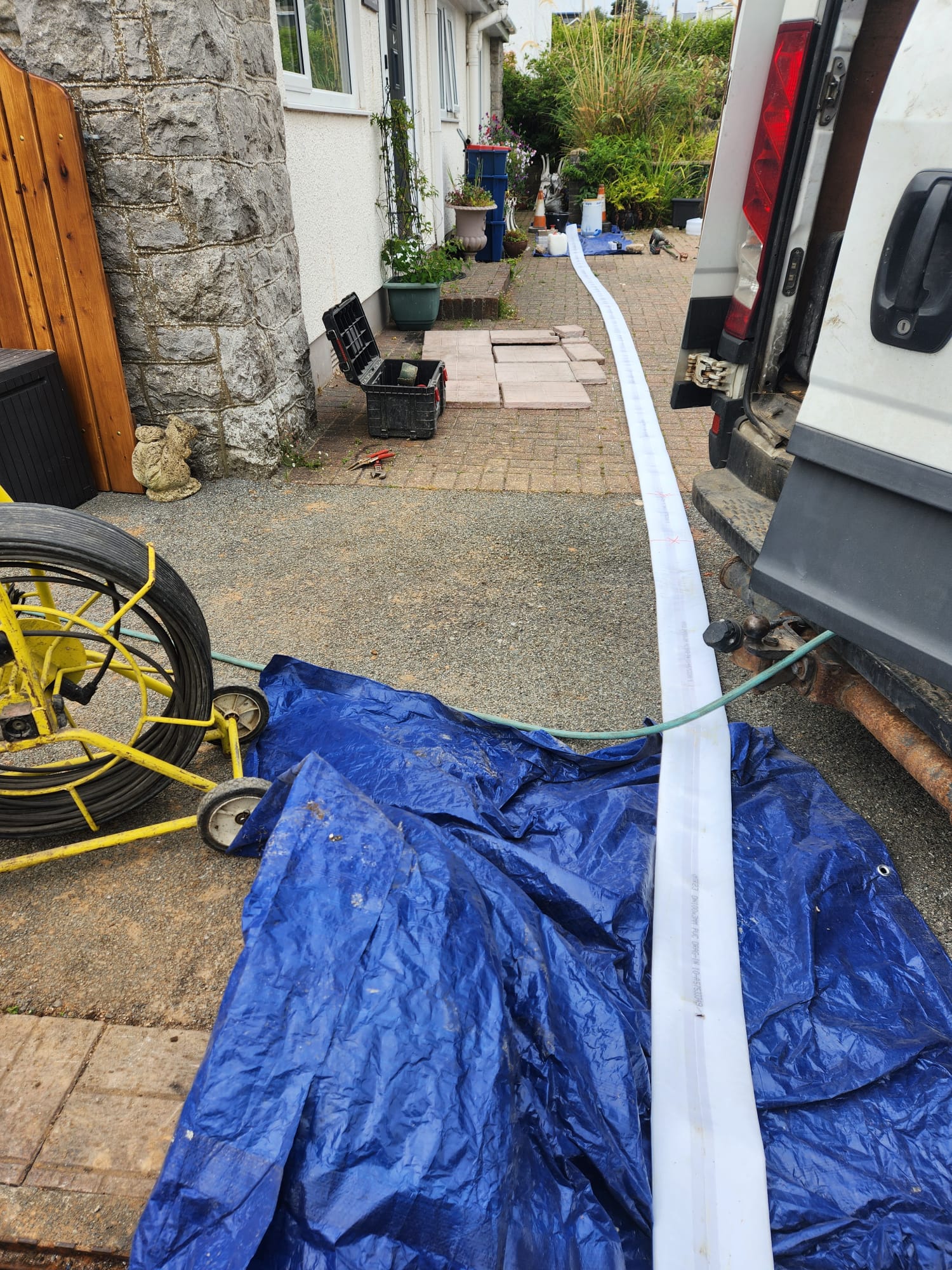
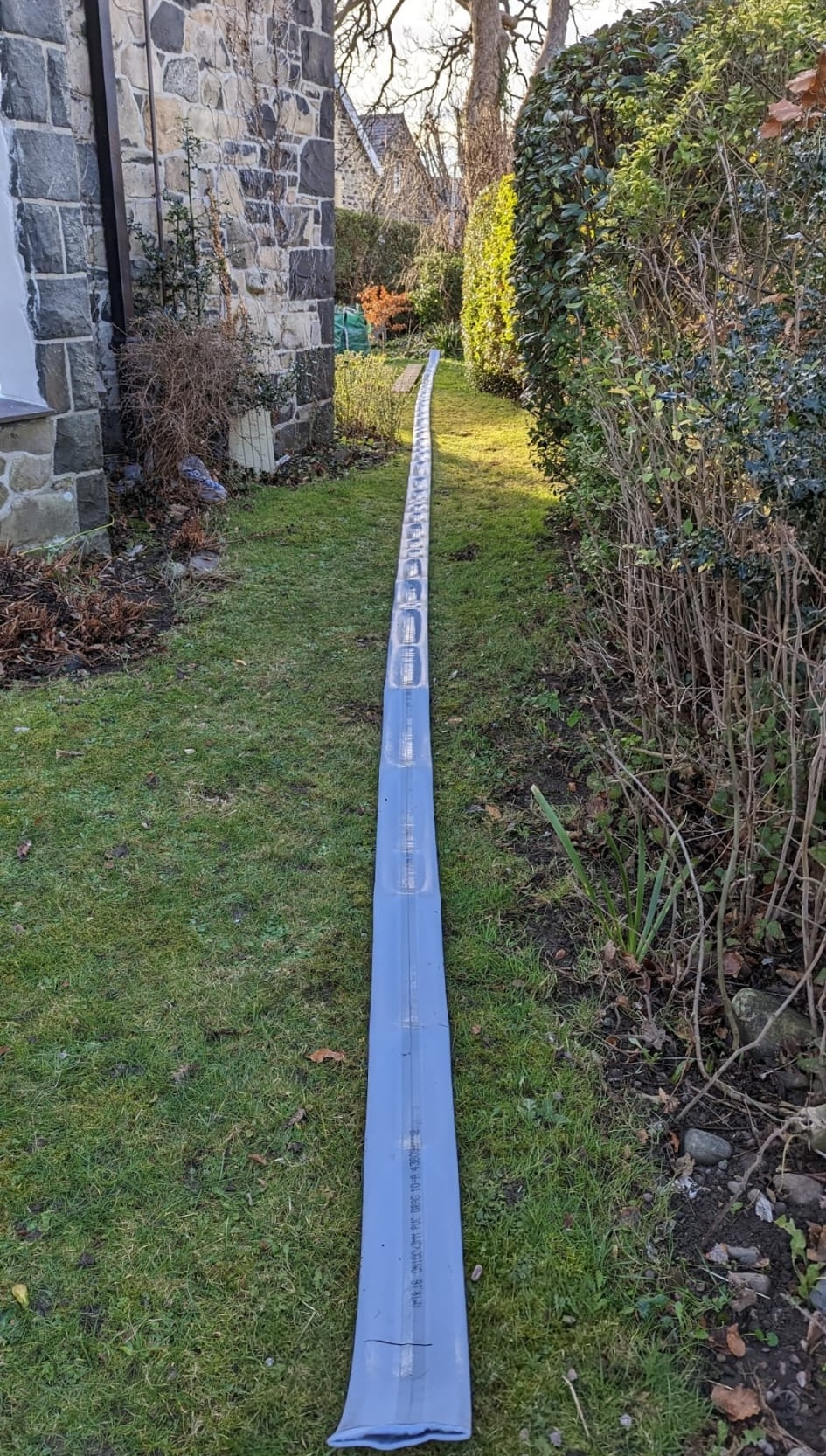
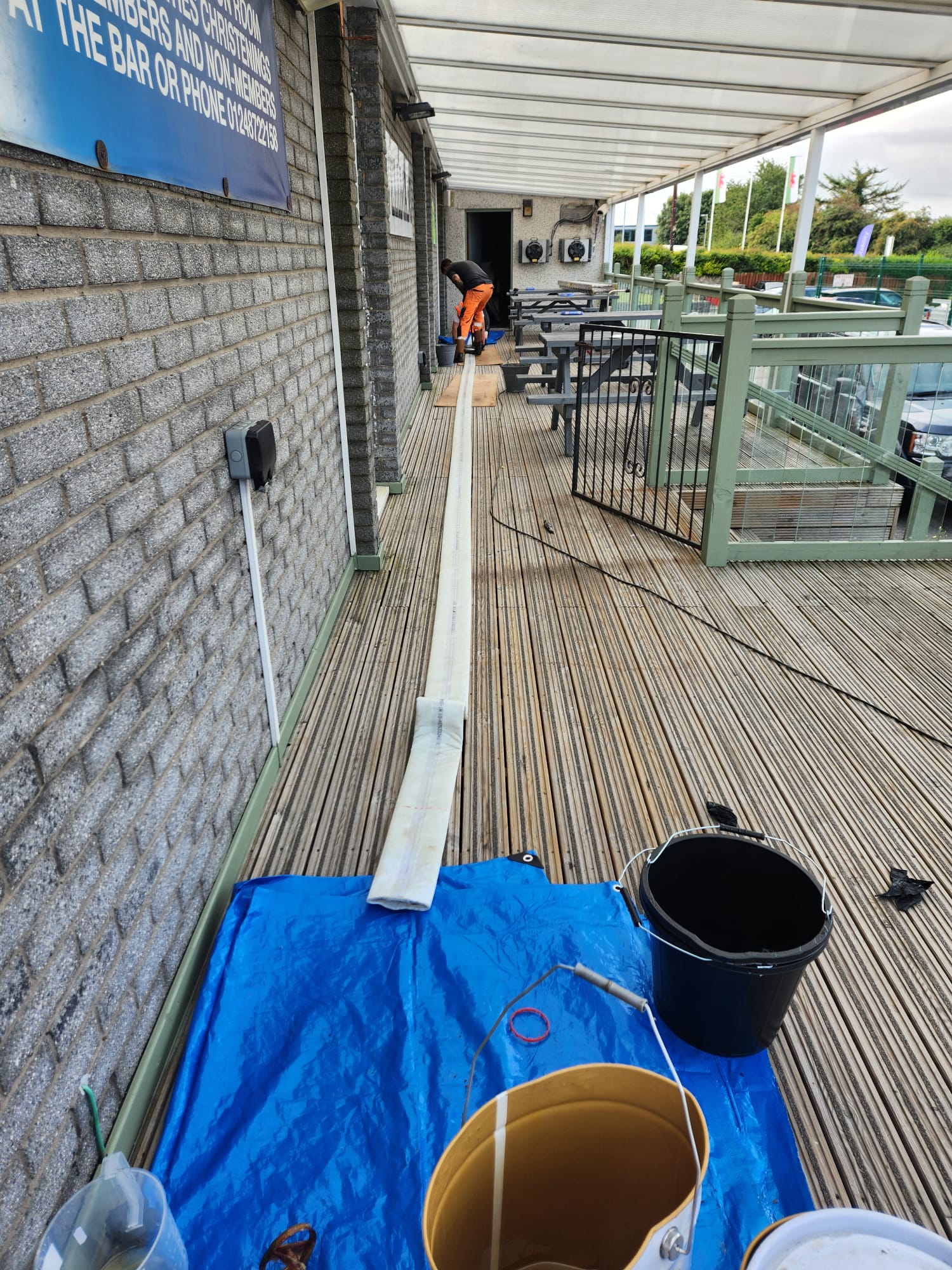
Drain lining, also known as pipe lining or cured-in-place pipe, is a trenchless no dig method of repairing damaged or leaking pipes. It is a minimally invasive procedure that does not require digging up the ground, making it a very popular source of repair. This involves inserting a resin-saturated liner into the existing damaged pipe and then curing it in place, effectively creating a new, durable pipe within the old one. We can line pipes from 2m to 100m.
Pitch Fibre Repairs
If the pipe has blisters or a brake then there is a good chance it can be re rounded and lined, If the pipe has sunking and is holding water then it will have to be dug out and repaired with new pipe work.